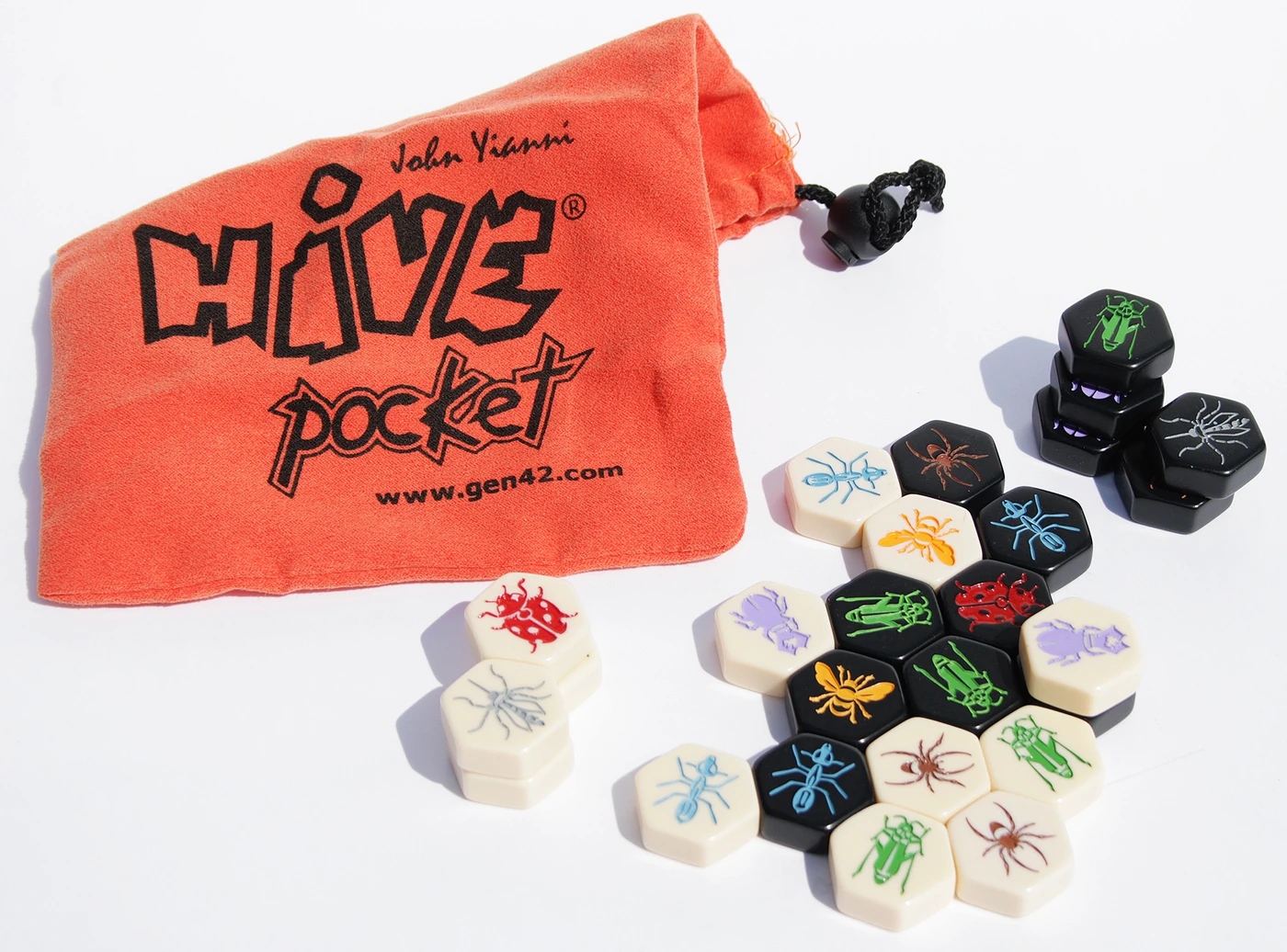
 01Abstract
Organic chess with no board.
Hive Pocket
2 players20 minencirclement
Tiles make the board as you play. Every insect has one precise movement rule, and the position grows into a living knot around the queens.
The social table atlas
Eighteen games from exact two-player systems to loud, forgiving friend-group rituals. Every card gives the real loop, not a box blurb.
The complete shelf
Open a card for the teaching sequence, the win condition, and the group it fits.
01AbstractOrganic chess with no board.
Tiles make the board as you play. Every insect has one precise movement rule, and the position grows into a living knot around the queens.
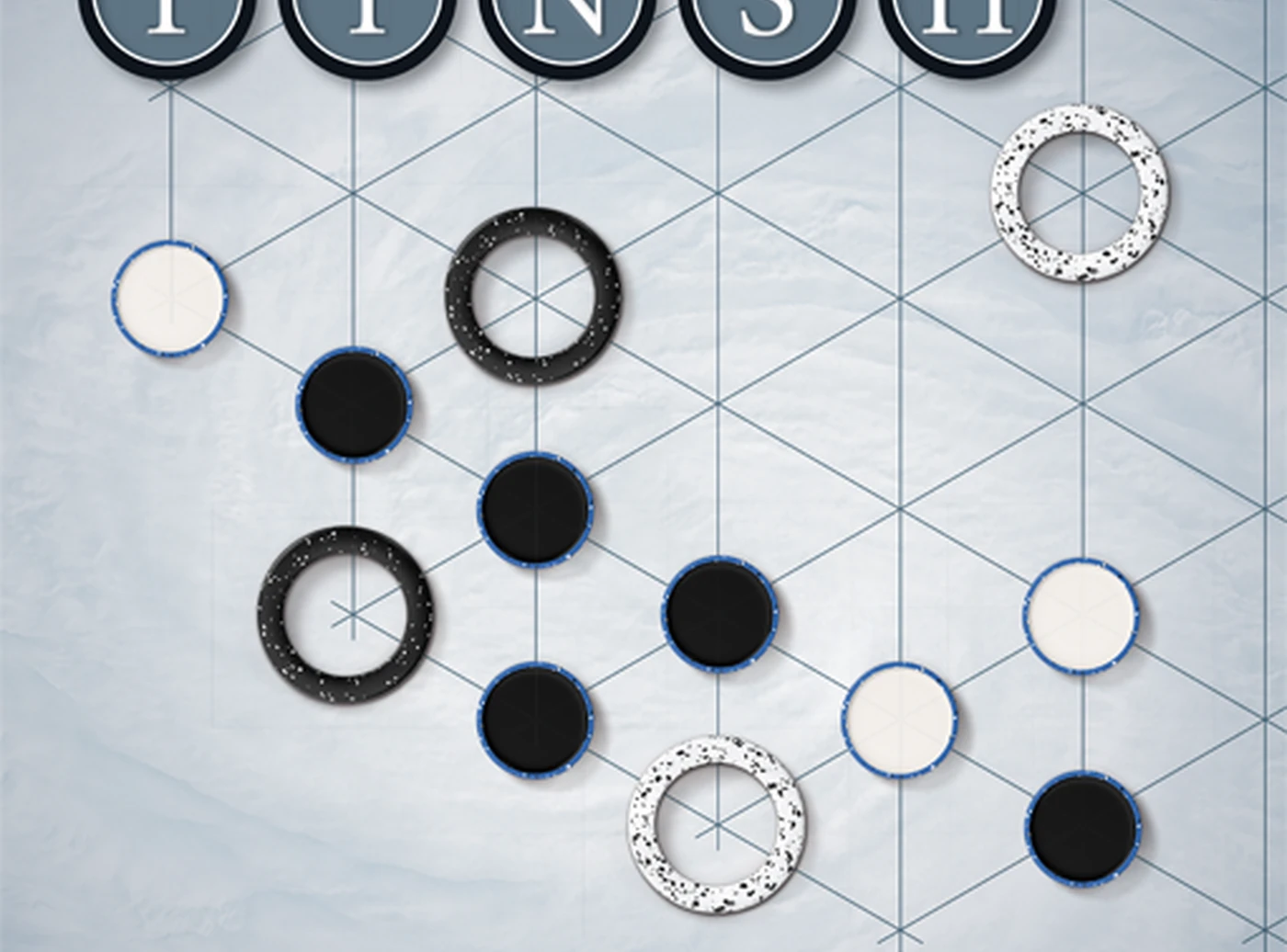 02Abstract
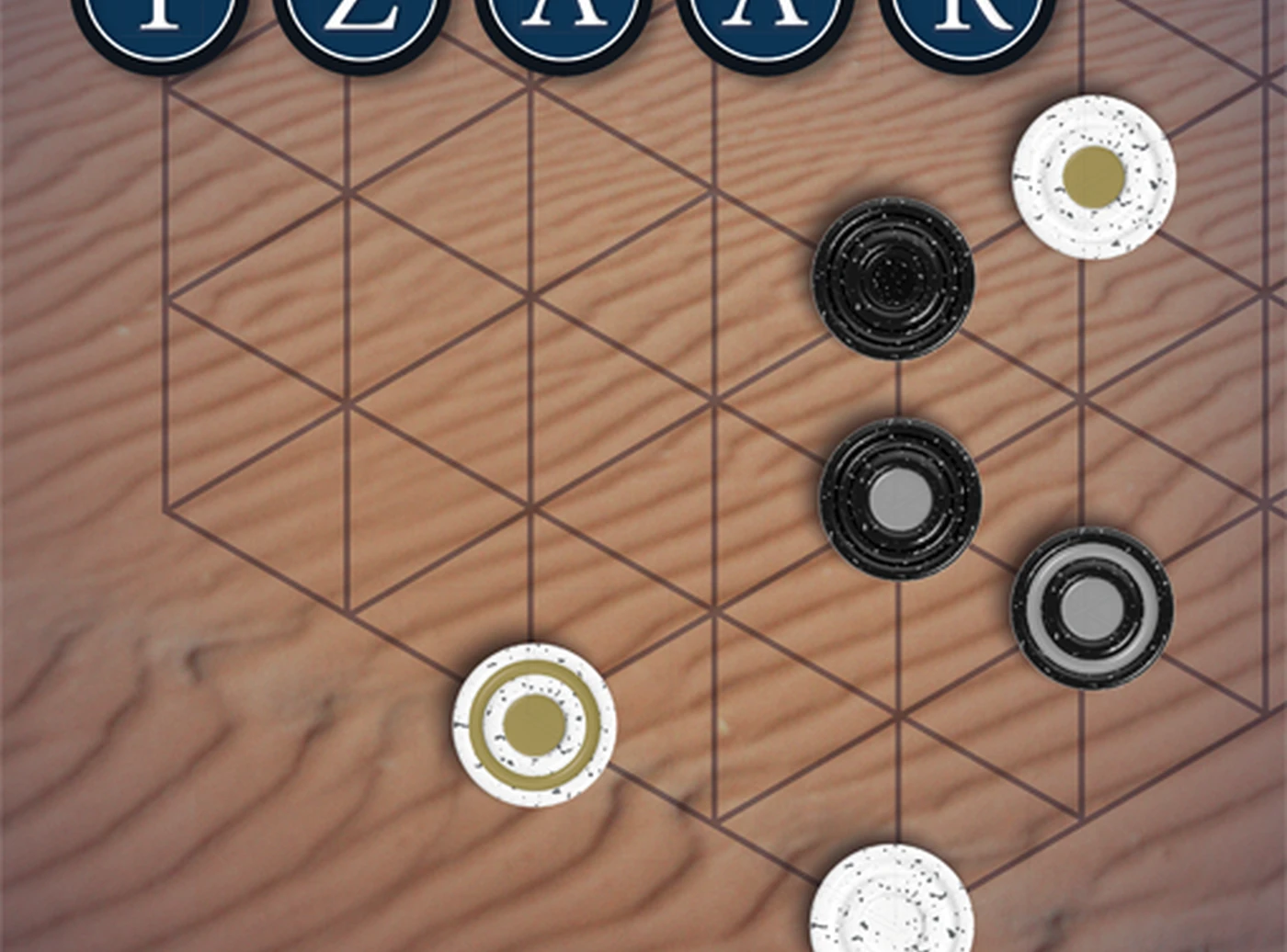
Alien Go through moving rings.
Rings create lines of markers; moving a ring flips every marker it jumps. Your scoring line changes the map and removes one of your own rings.
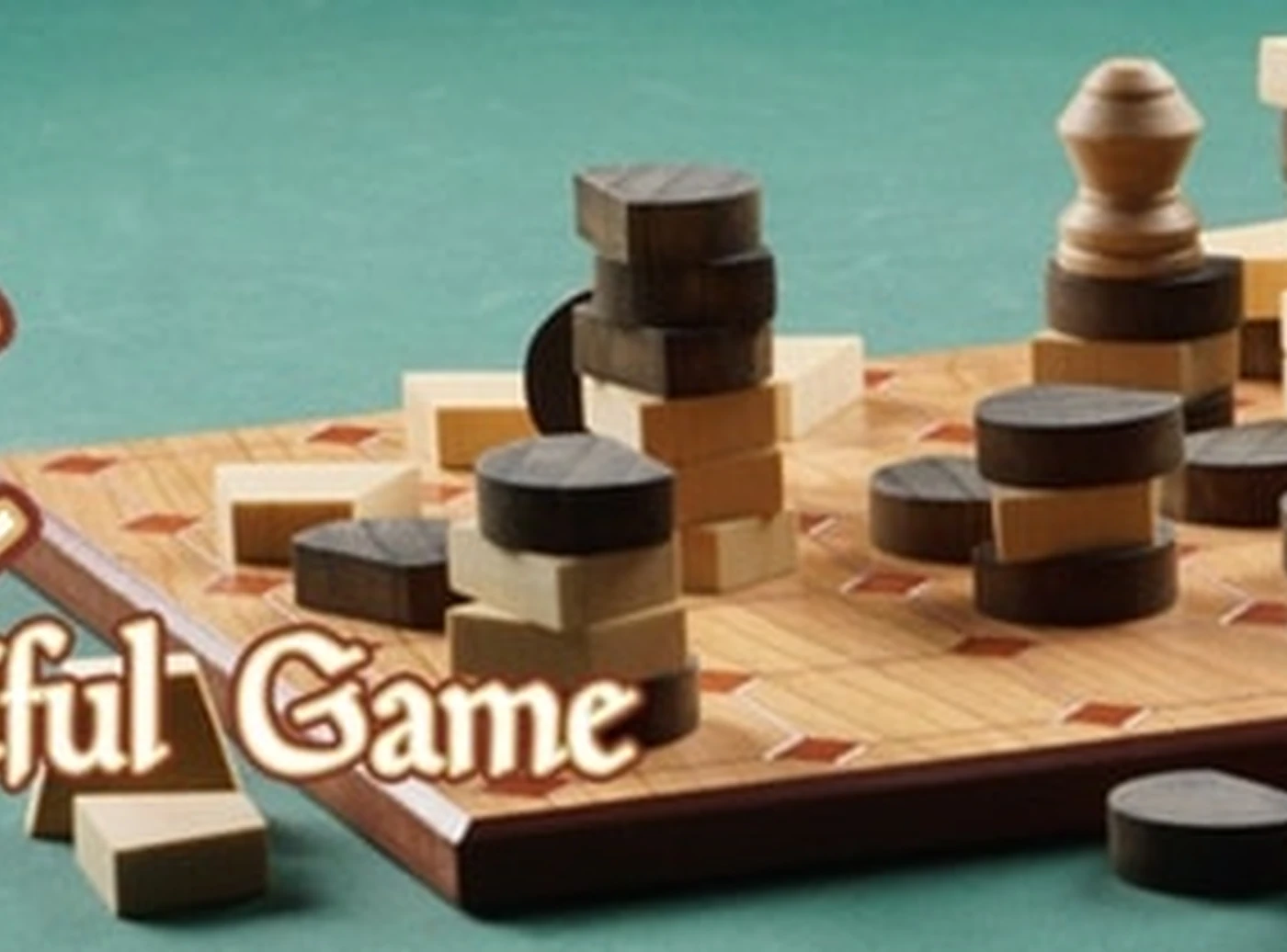 03Abstract
Road-building Go with stacks.
Build a connected road from one edge to the opposite edge. Flat stones help your road, walls obstruct, and capstones crush a wall when the timing is right.
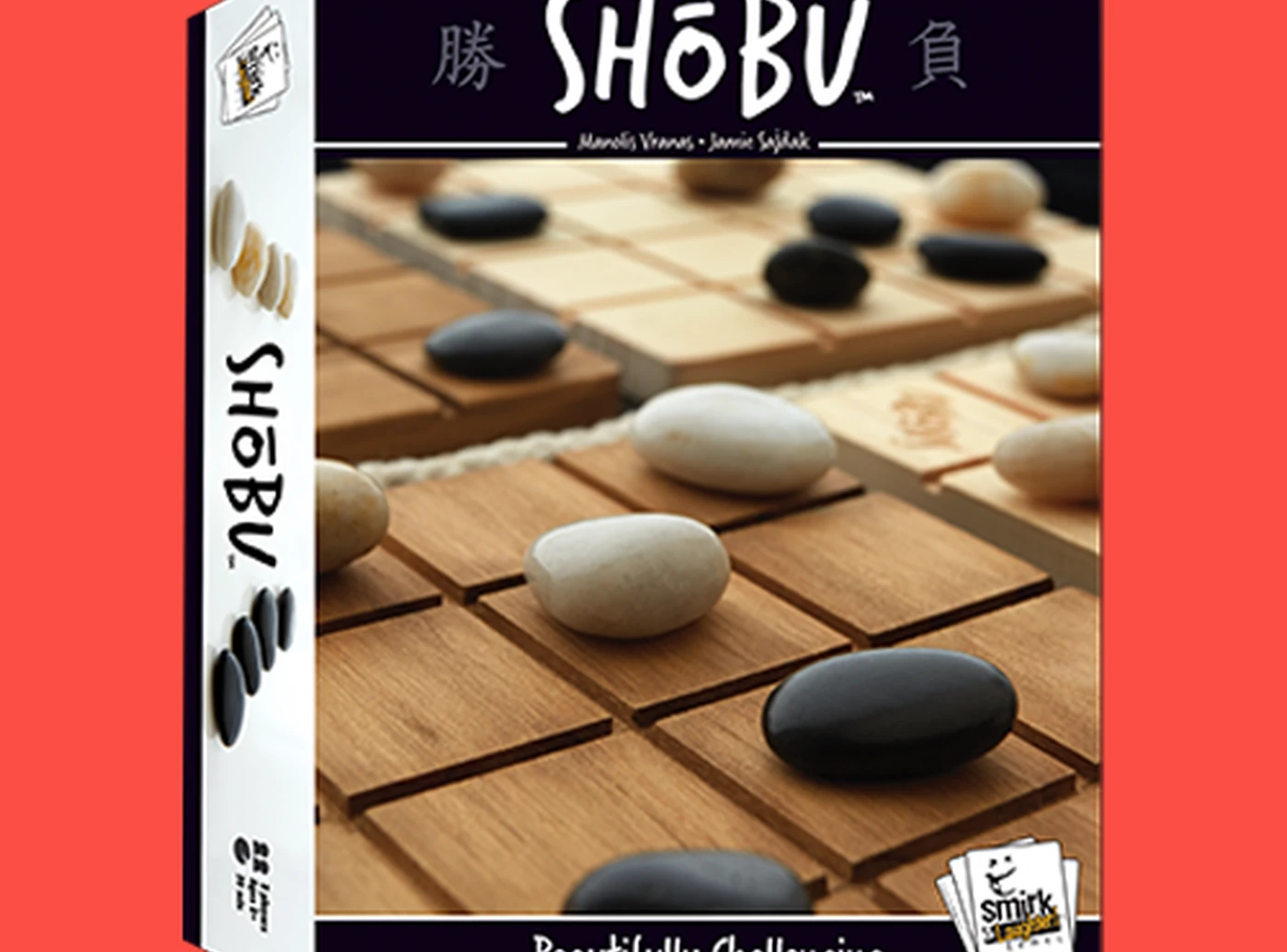 04Abstract
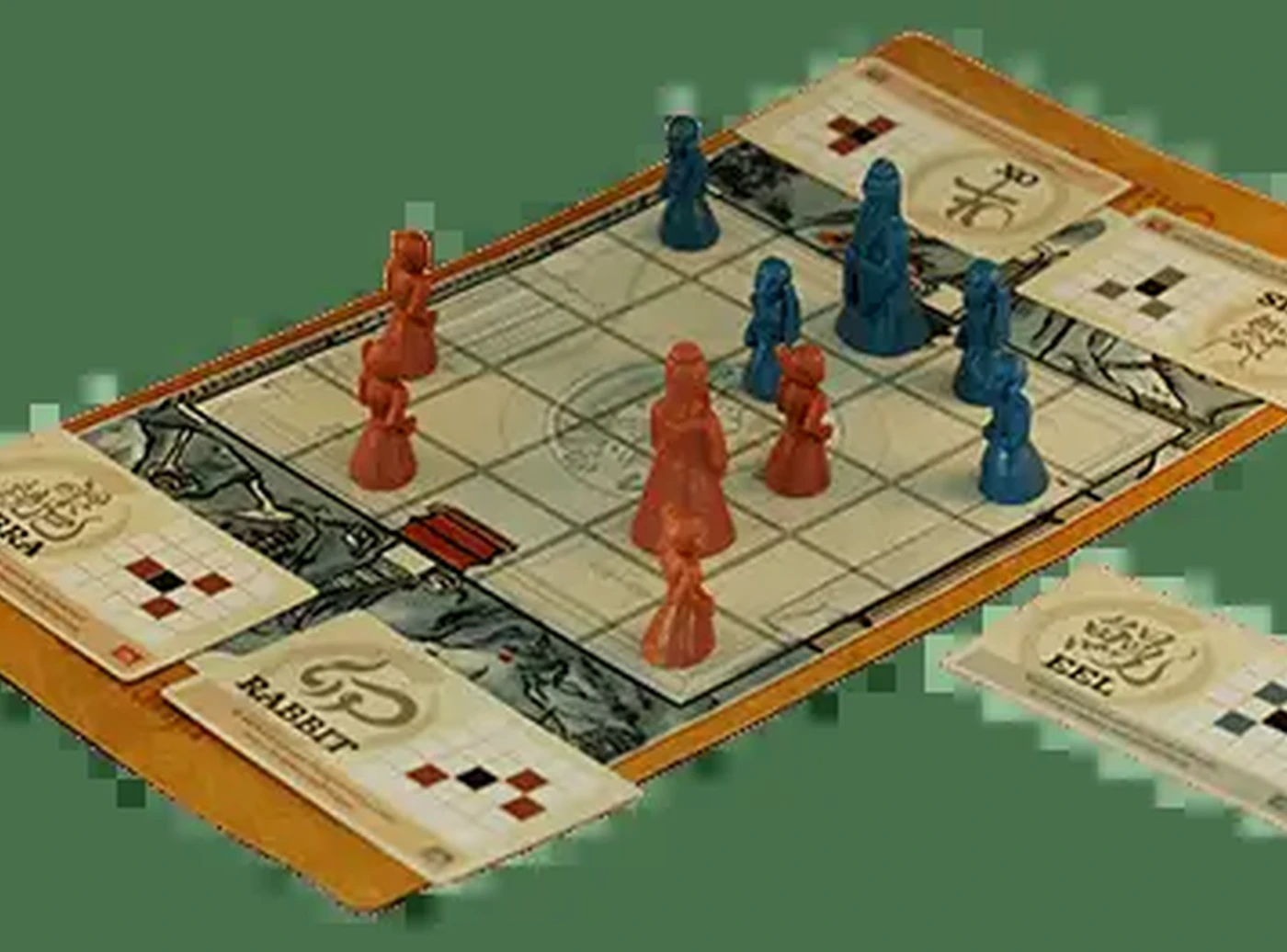
Mirrored kung fu on four boards.
Every turn is a pair of linked moves: a quiet move on one board licenses an aggressive push of the same shape on another.
 05Abstract
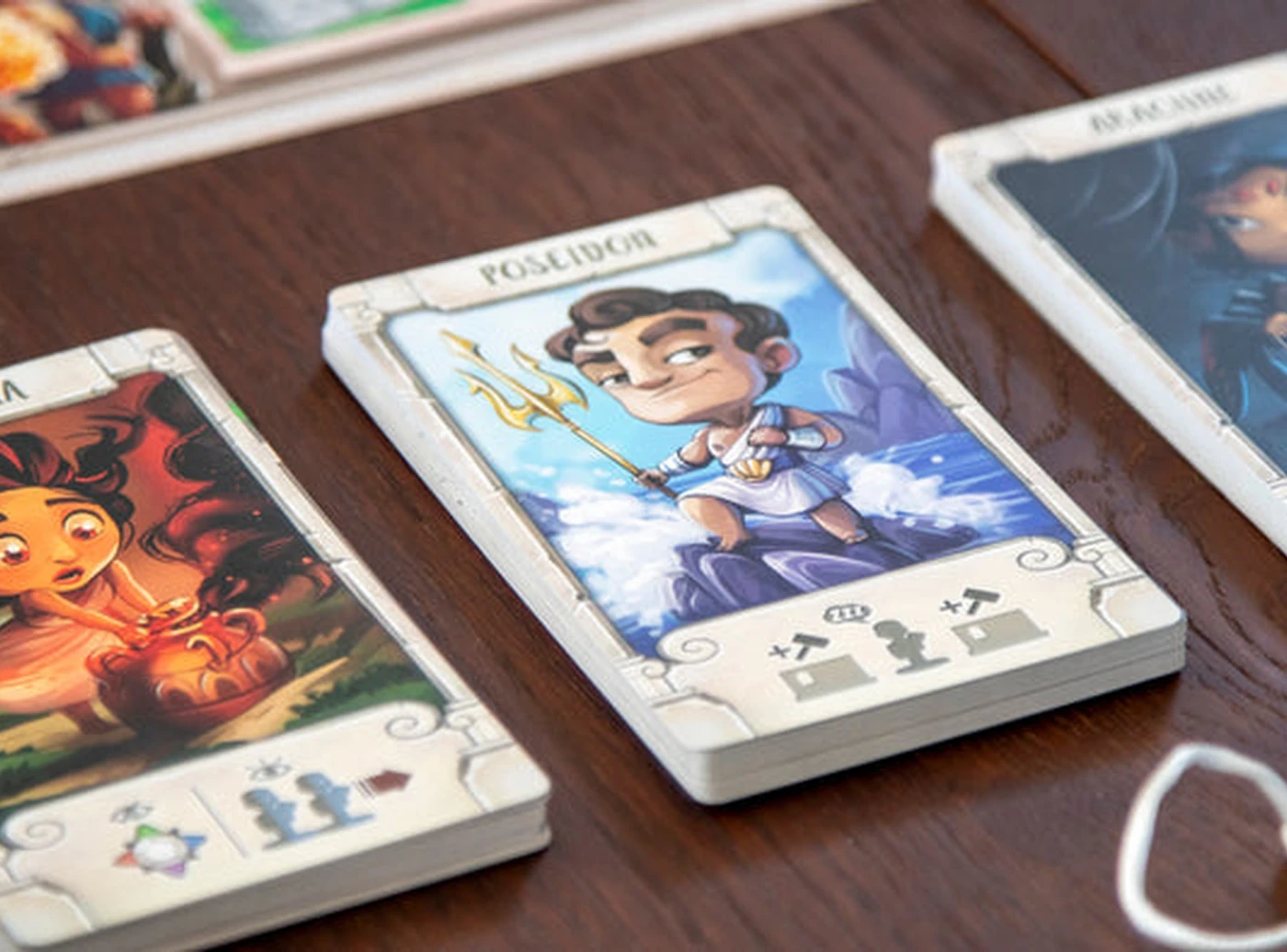
3D blocking with almost no rules.
Move a builder to a neighbouring space, then build beside it. The board turns into a tiny vertical puzzle of climbs, domes, and traps.
 06Abstract
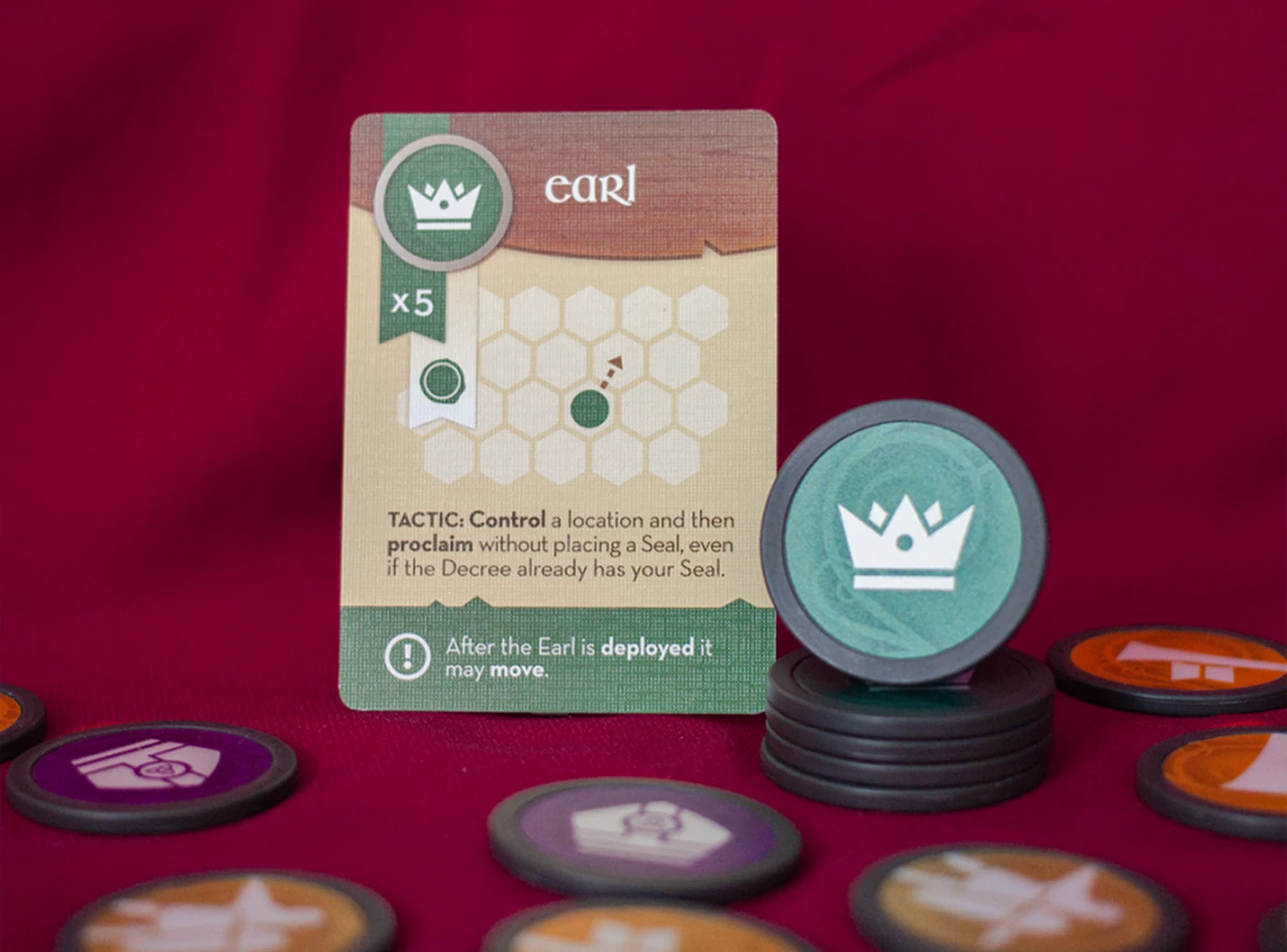
Positional warfare from a small bag.
You draft only four unit types, then draw their command coins from a bag. The battle is as much about shaping your future draws as taking ground now.
 07Abstract
Five-minute chess where moves circulate.
Only five movement cards exist. Every card you use passes to the opponent, so a good move is also a decision about their next weapon.
 08Abstract
Strengthen yourself or break them first.
Three piece types share one brutal rule: each turn you must either make a capture or leave yourself unable to survive the next one.
 09Abstract
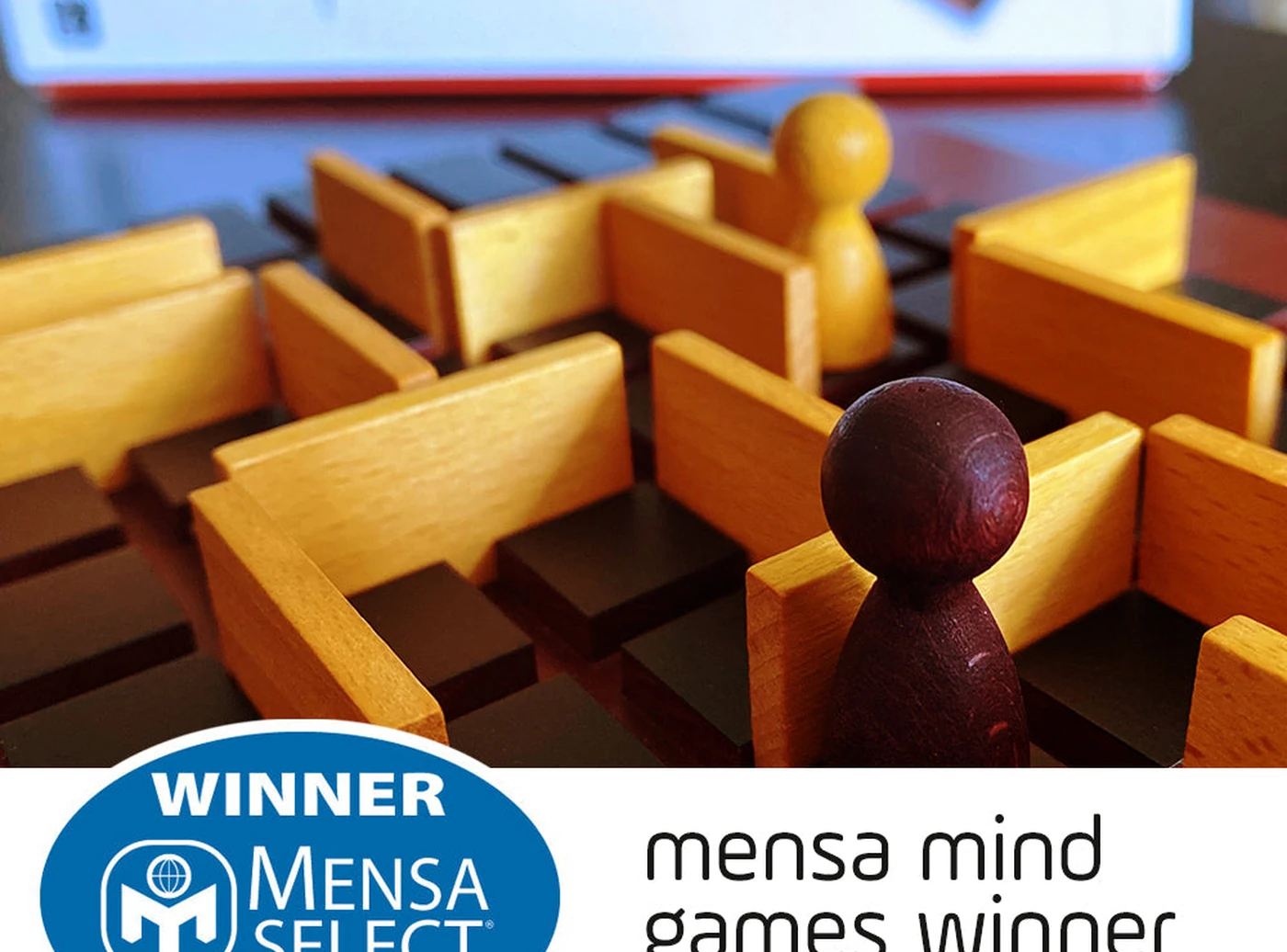
Race, wall, never fully seal.
Walk to the far edge while placing walls that make everyone’s route worse. The key legal constraint prevents total lockouts, which keeps the puzzle fair.
 10Social
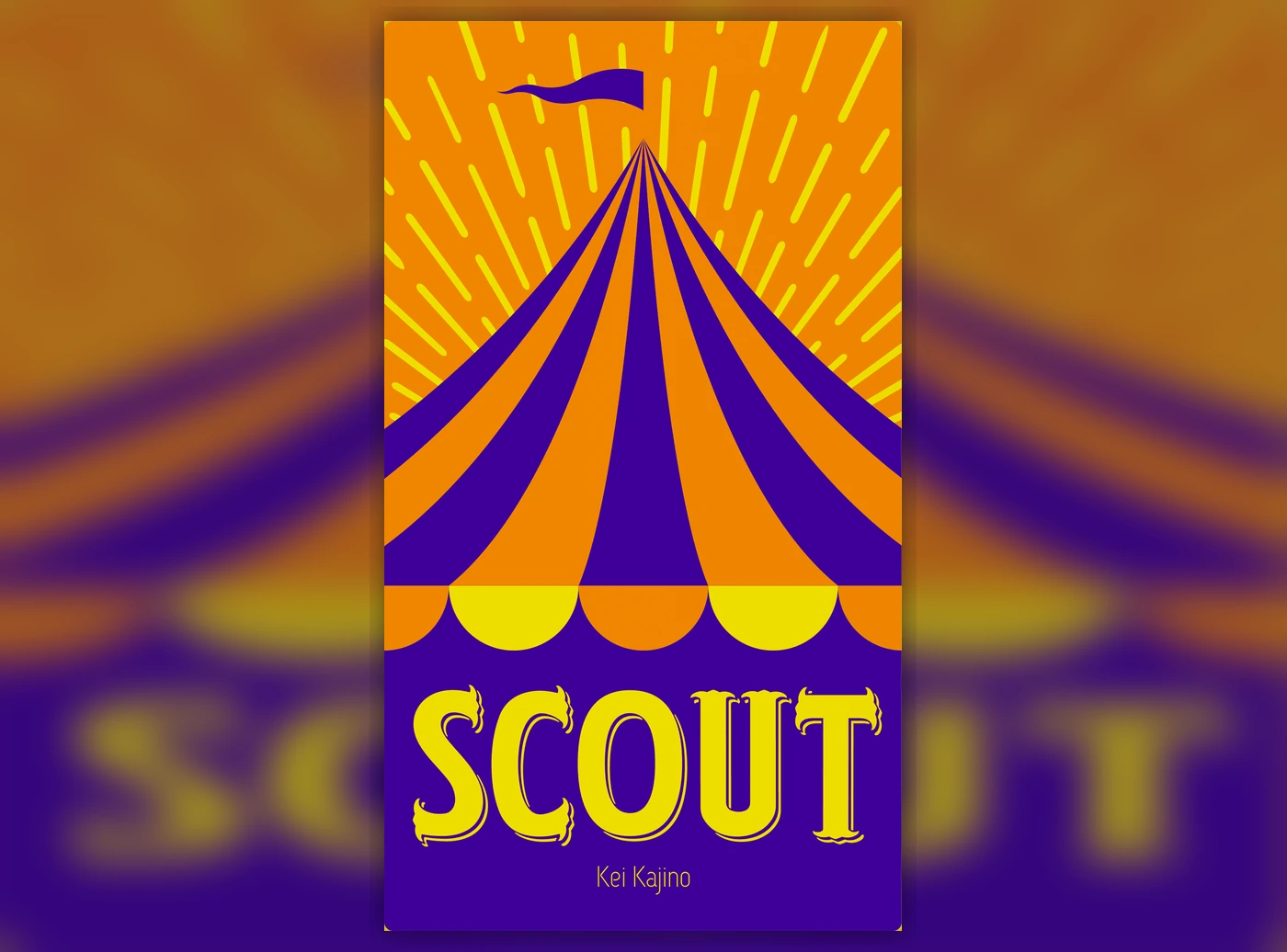
Modern 斗地主 with a locked hand.
Your hand cannot be rearranged. Play a set or run from the visible order—or take one card from the previous play and alter your own spatial puzzle.
 11Social
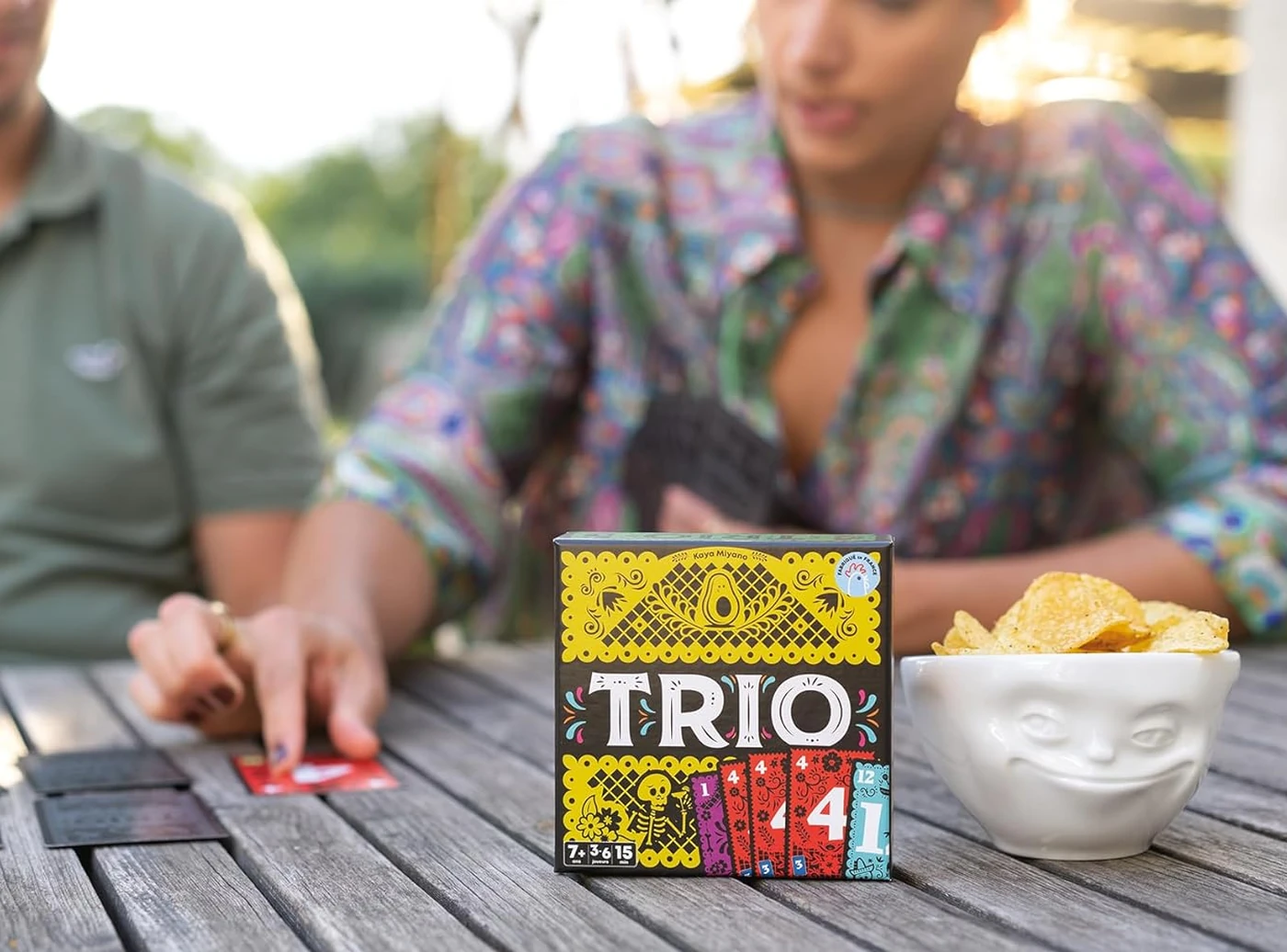
Cute memory-Mahjong in 15 minutes.
Cards sit in hands and on the table. You ask for a highest or lowest card and try to expose a matching trio without giving away too much information.
 12Social
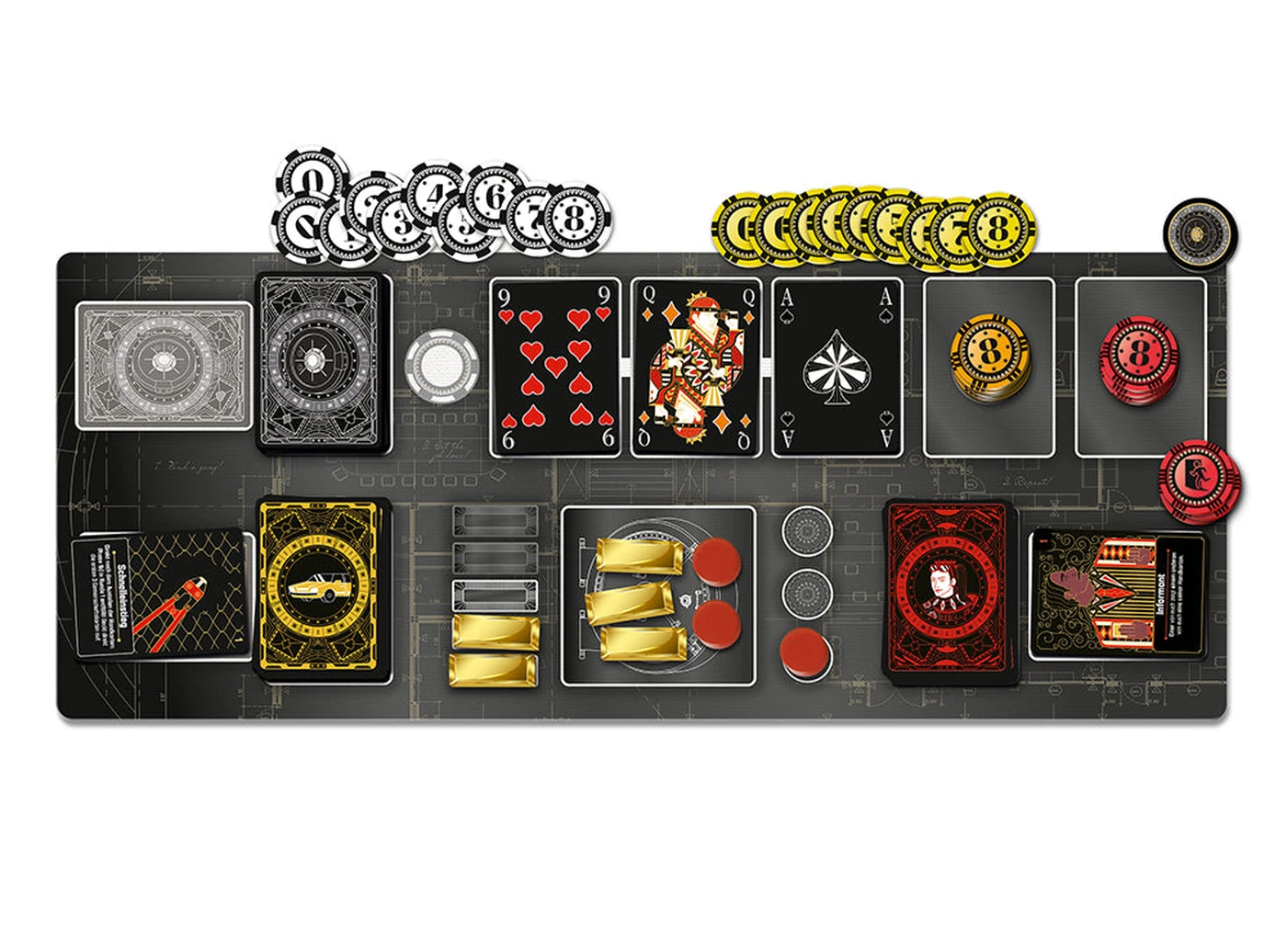
Cooperative poker, minus the macho elimination.
Everyone has a Texas Hold’em hand, but the table wins only if players silently rank how strong their hands are as community cards appear.
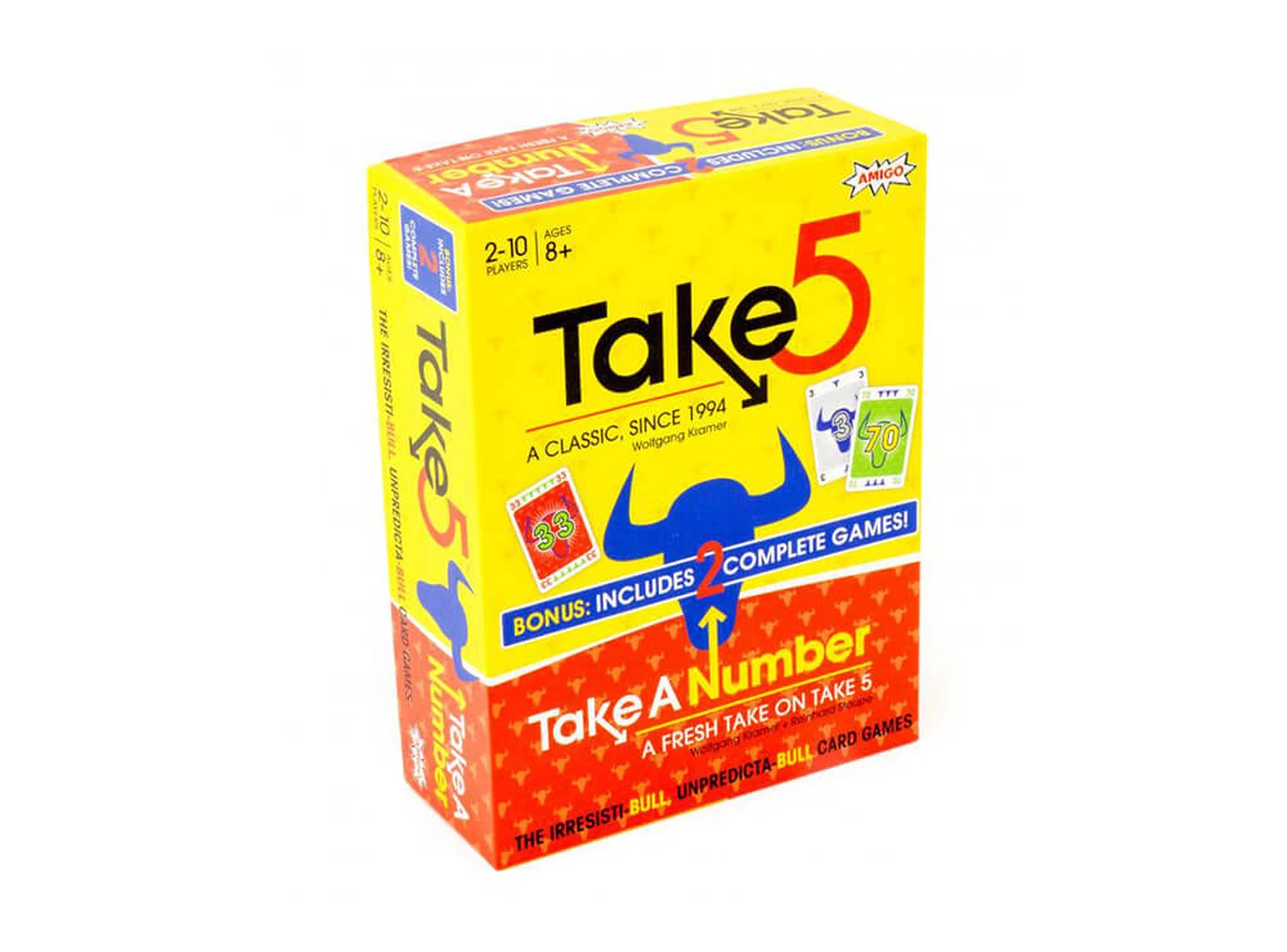 13Social
Controlled numerical chaos for a big table.
Everyone chooses a card at once. Cards slide into one of four rows, and the unlucky sixth card takes the pile of penalty points.
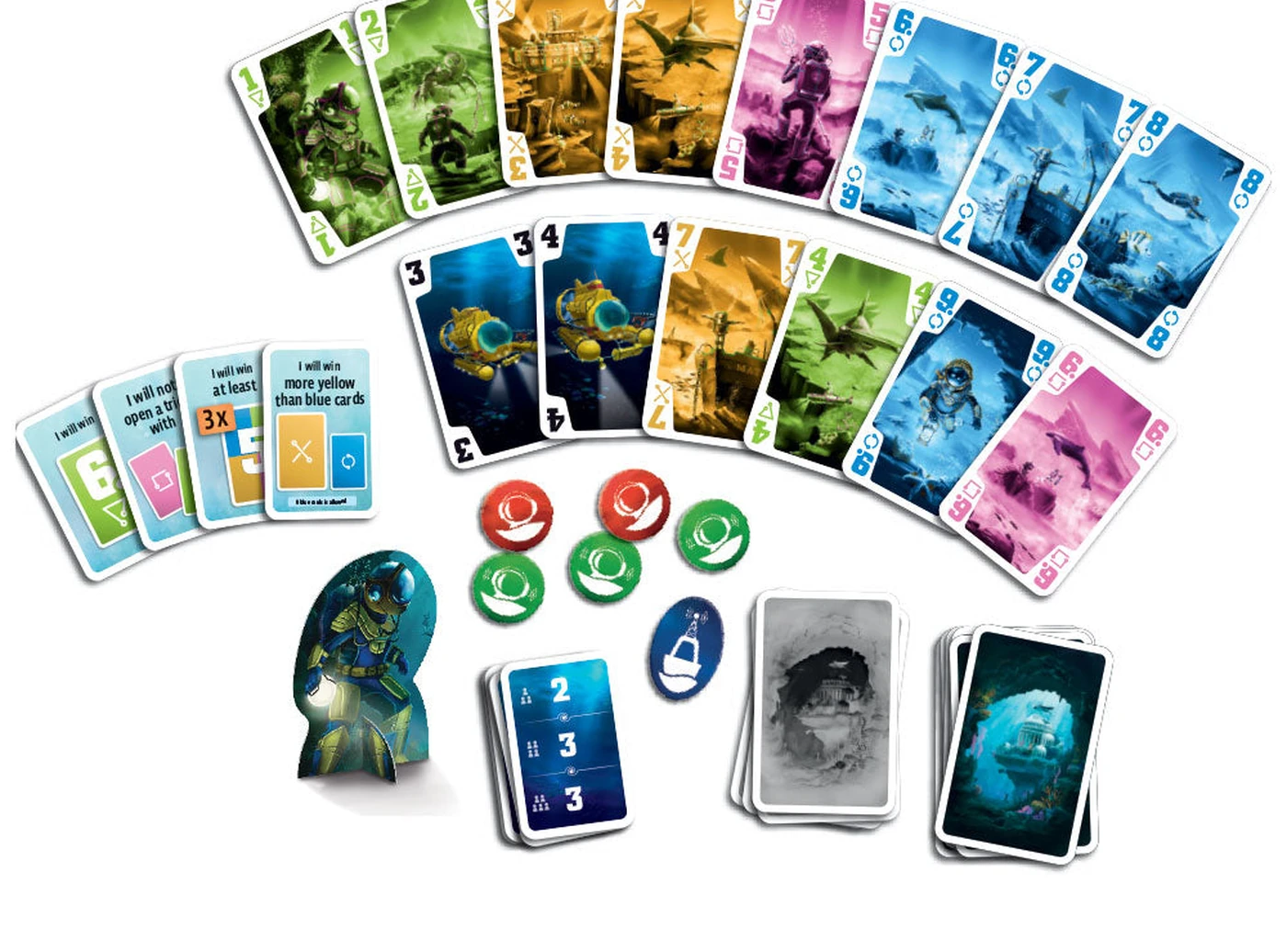 14Social
Cooperative 80 Points below the surface.
It is trick-taking, but each mission assigns cards or tricks to the right people. The cruel pleasure is that you cannot simply explain your hand.
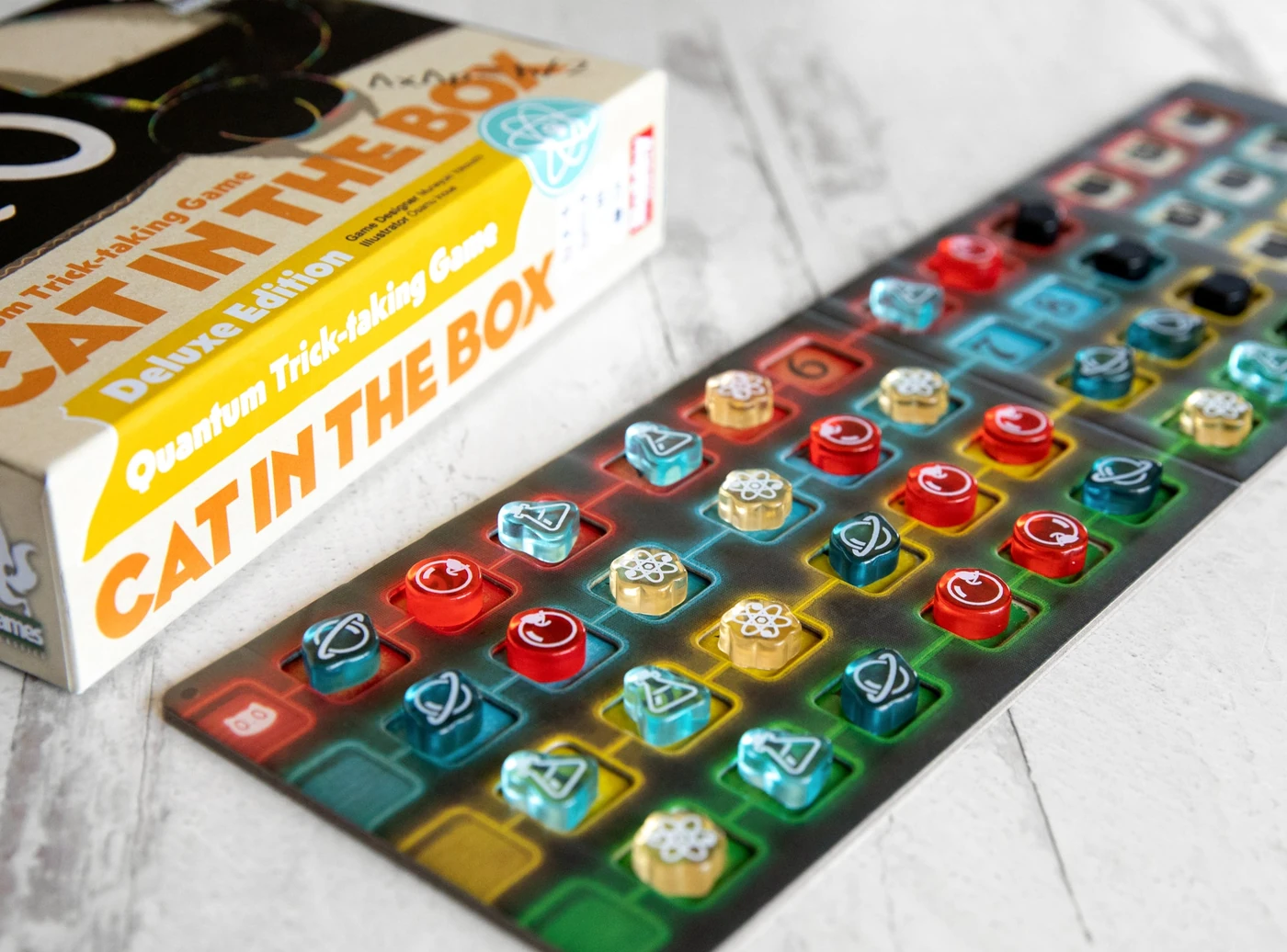 15Social
Quantum 升级: your card’s suit is not fixed yet.
You hold numbered cards with no predetermined suit. Declare their suit only when playing them—until the shared quantum board makes a declaration impossible.
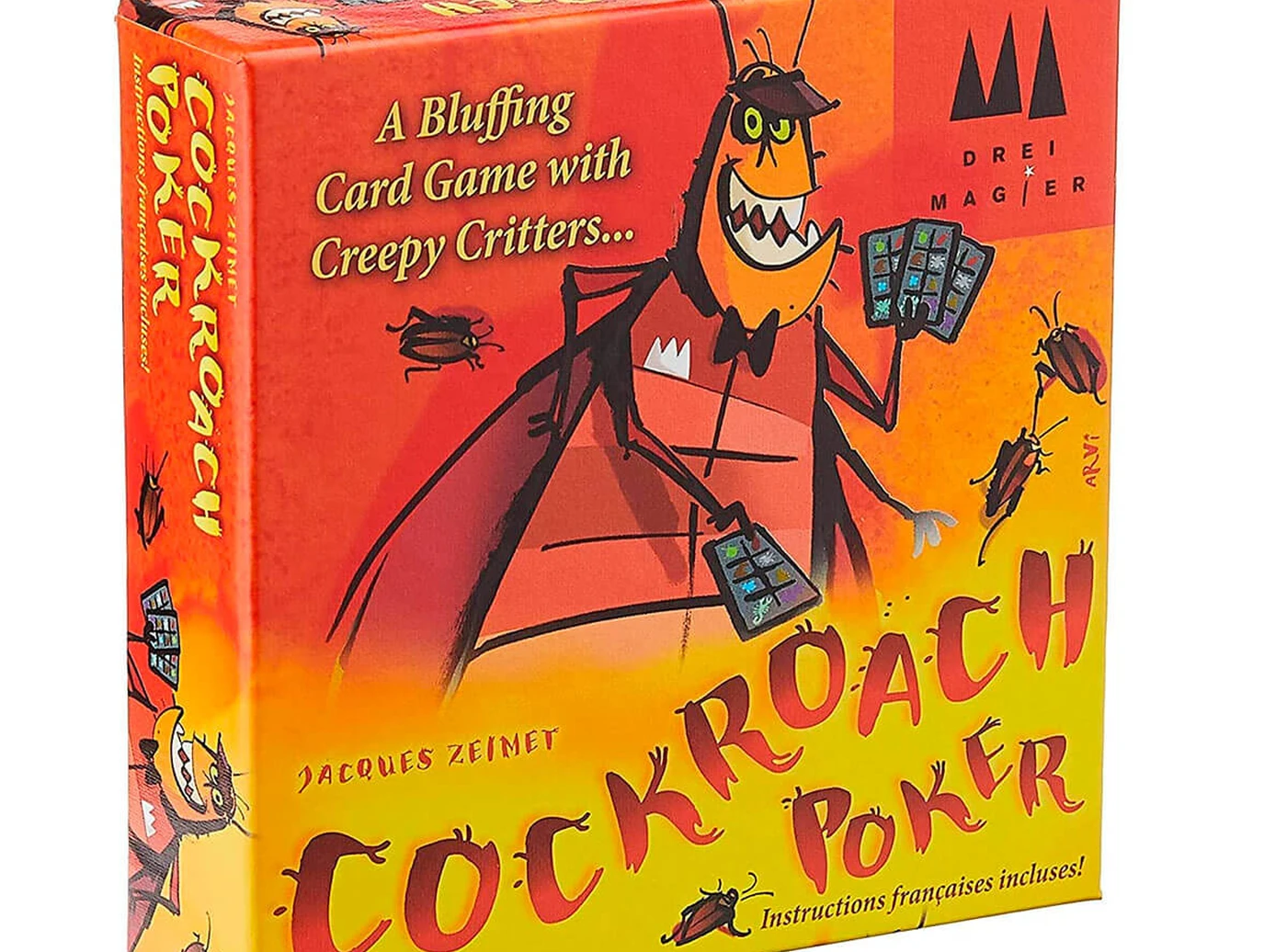 16Social
A bluffing game with nearly zero rules.
Pass someone a creature card face down and name any creature. They decide whether to believe you, or pass the problem along with a new claim.
 17Social
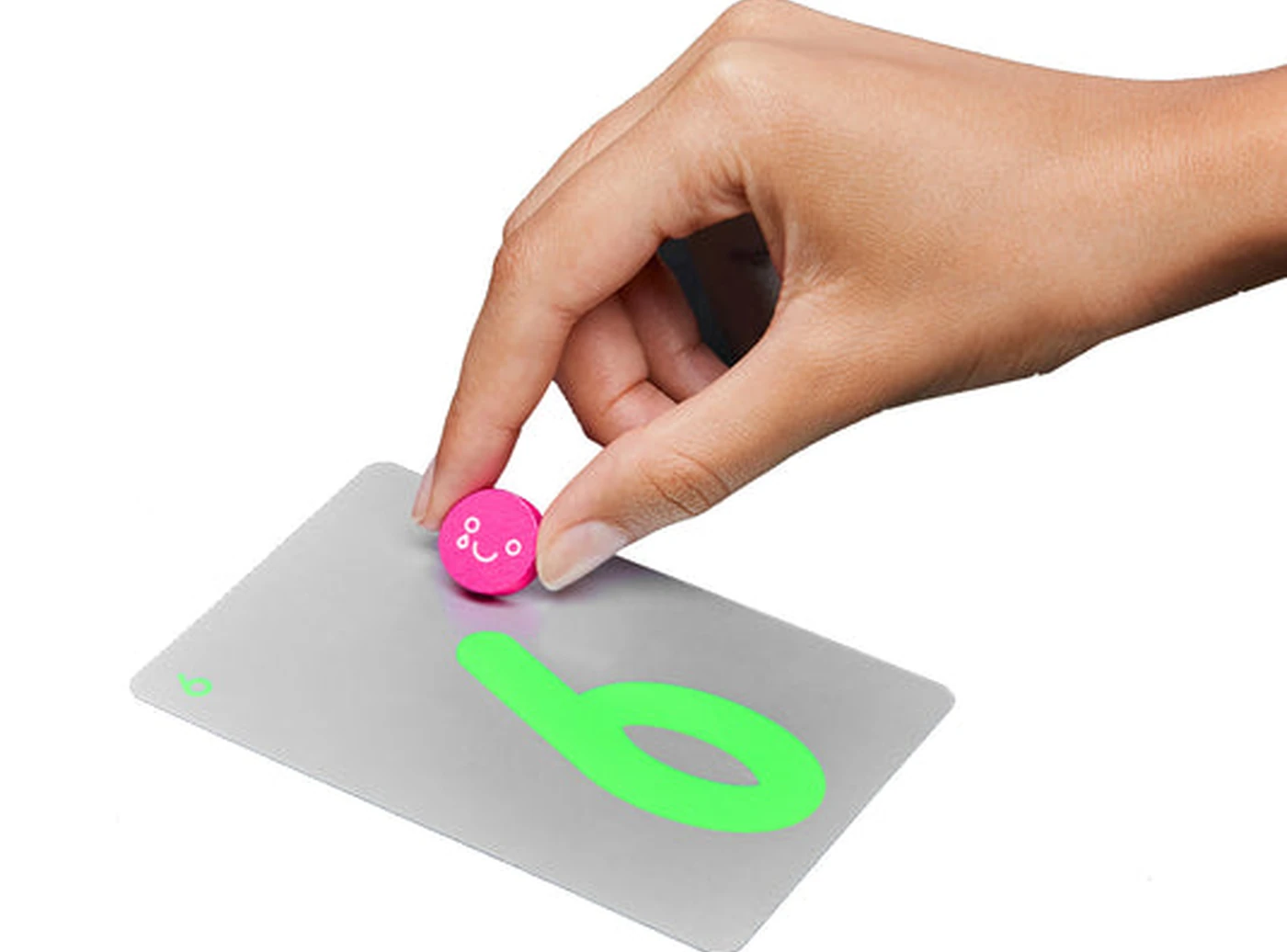
One decision: take it or pay to pass.
A bad card appears. Take it and inherit its value, or spend a chip to make the problem more tempting for the next person.
 18Social
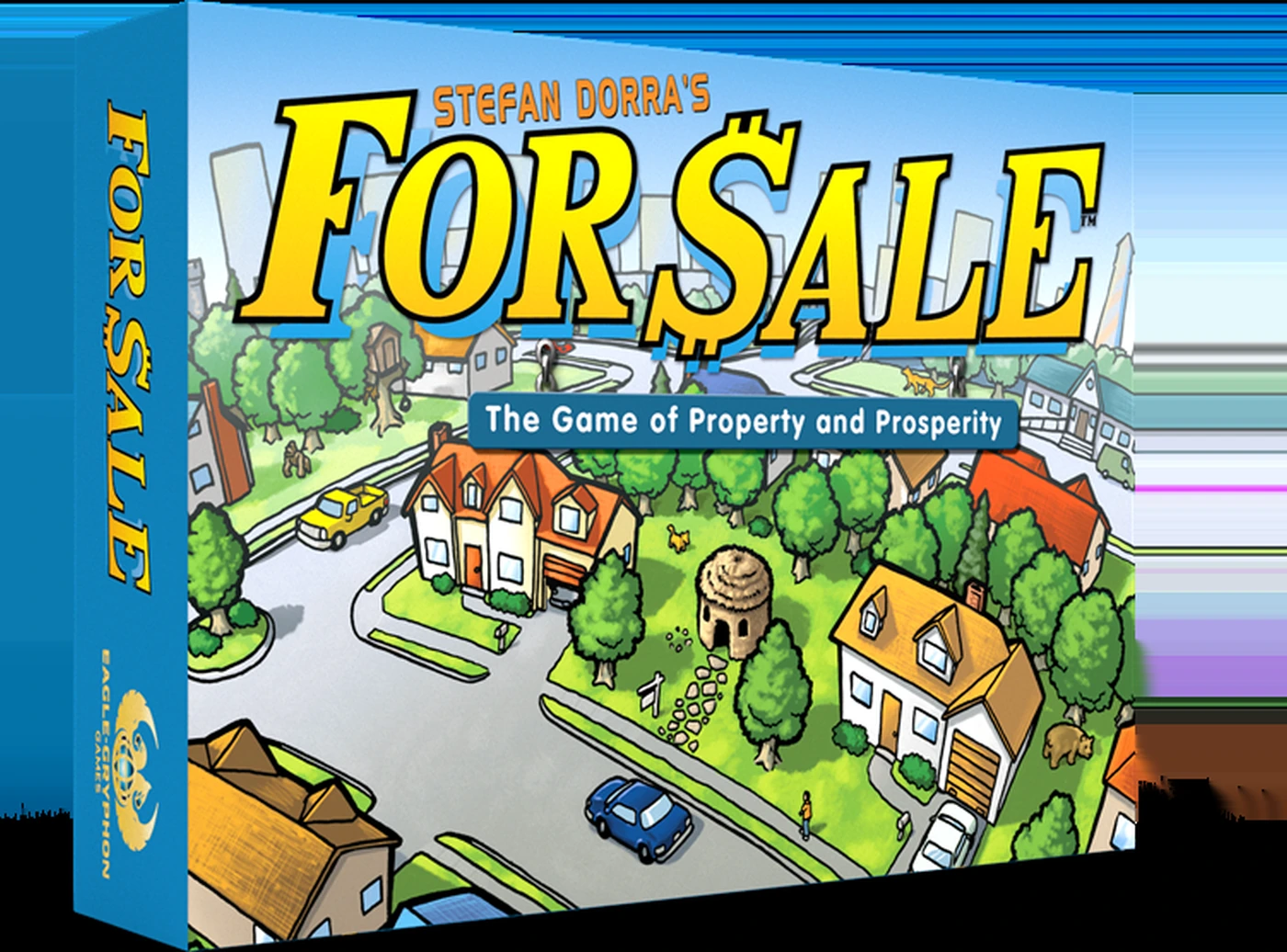
A tiny two-act auction with sharp timing.
First, bid for properties. Then sell those properties for cheques. Every decision is about relative value: what you keep changes what everyone else should want.
If you buy only three